SEO Services

We are a senior-led SEO services agency. We build, run, and optimize organic search programs for brands and businesses across the country. Technical SEO, on-page work, content strategy, link earning, and reporting that ties back to revenue. Brand strategy first, rankings second.
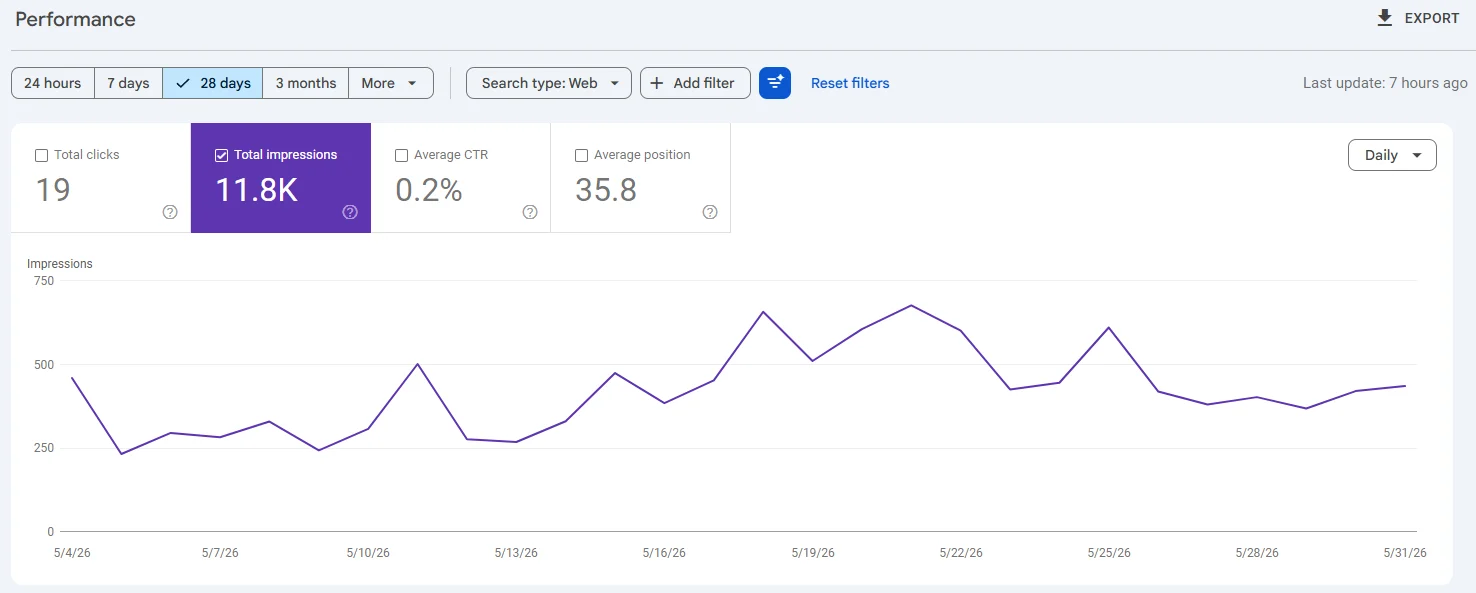
Google Search Console report showing organic clicks and impressions
Brand strategy first
Senior-led accounts
Free SEO audit
Featured in Forbes

What our SEO services cover

SEO is eight disciplines that have to run together to produce real rankings. Most agencies sell one or two and call it SEO. We run all eight because anything less leaves rankings unclaimed.

Technical SEO

Site speed, Core Web Vitals, crawlability, indexation, URL structure, redirects, sitemaps, schema markup, mobile rendering, and the technical foundation Google needs to rank a site at all.

On-page SEO

Title tags, meta descriptions, heading hierarchy, internal linking, keyword targeting, content depth, and the structural work that makes individual pages competitive for the queries that matter.

Content strategy

Keyword research, topic clusters, content velocity, and editorial planning. SEO that doesn’t tie to a content strategy stalls at low-volume keywords. We plan content around buyer intent and topical authority, not just search volume.

Algorithm management

Tracking Google’s algorithm updates, diagnosing ranking shifts, and recovering from algorithmic penalties. We follow every core update, helpful content update, and link spam update so your rankings hold steady instead of dropping the next time Google ships a change.

Local SEO (when relevant)

Google Business Profile optimization, local citations, NAP consistency, review management, and geo-qualified content work that wins local pack rankings.

Reporting and analytics

GA4, Search Console, ranking tracking, and the monthly report that ties rankings to revenue. If you can’t see what the work is doing, the work isn’t working.

AI search optimization (GEO)

Structuring content so AI engines like Google AI Overviews, ChatGPT, and Perplexity cite your brand. Schema, original research, topical authority, and the depth that AI summarizers actually draw from, rather than skip.

Link building

Outreach, digital PR, content that gets cited, and the work of building authority through real backlinks from real sites. We don’t buy links. We don’t trade in link networks. Both eventually get sites penalized.
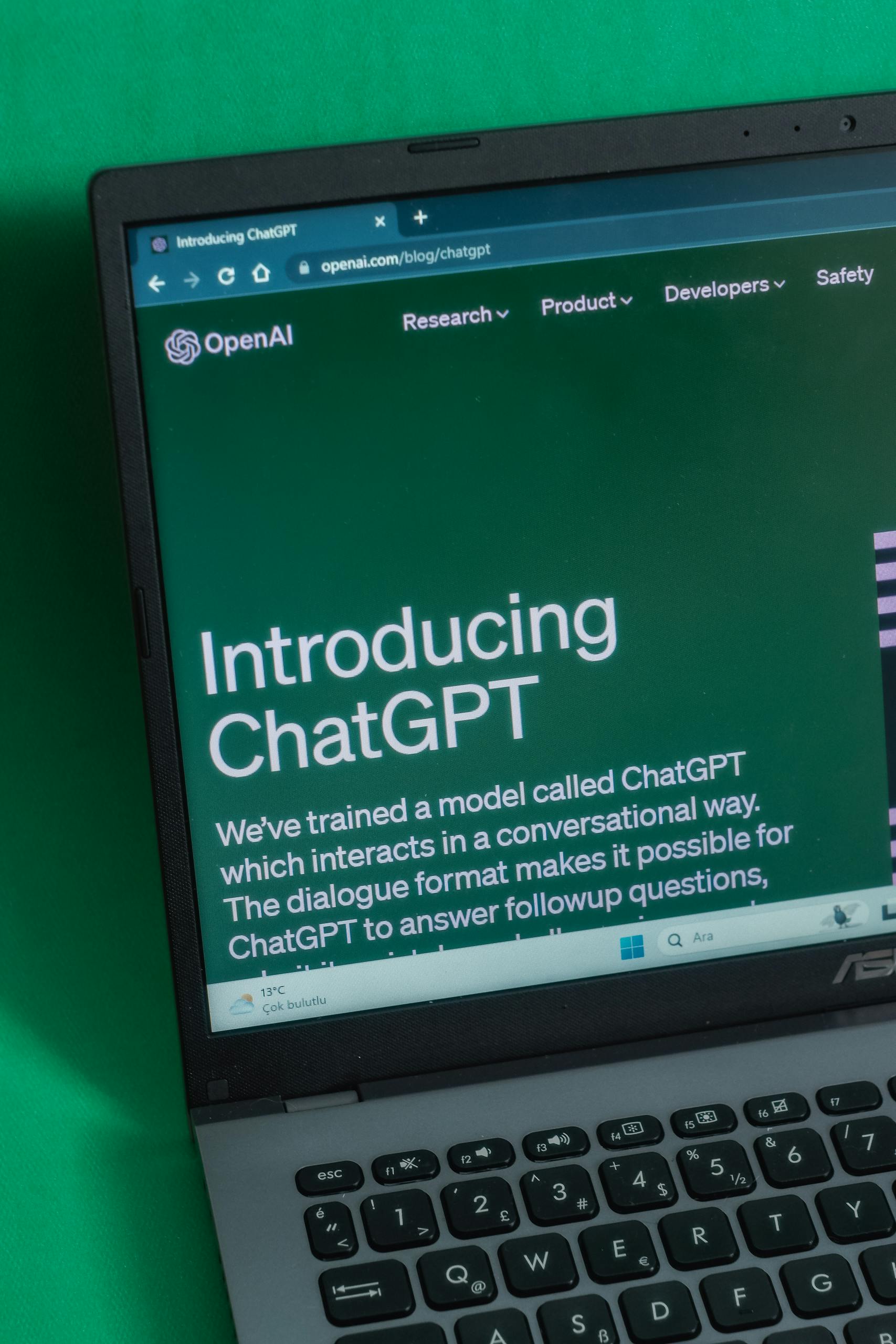
Laptop showing the ChatGPT homepage, an example of AI search

SEO in the age of AI search

Google’s AI Overviews and the rise of AI search engines change how organic visibility works. Some clicks that used to go to a top-ranked result now get answered in the AI summary at the top of the SERP. That’s real, and any SEO agency that pretends it isn’t is the wrong agency.

What it doesn’t mean is that SEO is over. Here’s what changed.

Brand searches matter more than ever. When AI summarizes generic queries, the brand someone already trusts is the one they click through to verify. SEO that builds brand authority compounds with AI search.

Depth and original perspective beat thin keyword-targeted content. AI can summarize the obvious answer. It can’t replicate a senior strategist’s actual point of view. Pages with original analysis, frameworks, and real arguments still win.

Topical authority decides who ranks now. A site that answers every angle, question, and related concept on a topic is the one AI summarizes from and links to. Thin pages targeting individual keywords lose. Deep content clusters win.

We build SEO for where search is going. The technical work still matters. Content work matters more than ever, and it has to come from a real point of view rather than a keyword tool.
The Let's Canoe Framework, a five-phase brand strategy process

SEO built on brand strategy

Most agencies sell keyword research as an SEO strategy. The Let’s Canoe Framework is the brand strategy work we run first, before any SEO engagement starts. Five phases: position, ideal customer, message, and value. Without that work, the content could rank for the wrong queries, the audience could be the wrong one, and the resulting rankings wouldn’t translate into customers.

We exist this way on purpose. SEO built on brand strategy means the content makes a real point, the keywords match real buyer intent, and the traffic that comes converts into actual customers. If you’re already running SEO without a real brand argument behind it, you’re the most common starter conversation for us.

Why most SEO underperforms

Most SEO programs fail for the same reasons. We see them on almost every audit.

  1. Buyer intent: The agency selects keywords based on search volume rather than buyer intent. The content that follows ranks for queries that don’t convert. Traffic grows, revenue doesn’t. By month nine, the client wonders why the SEO investment isn’t showing up on the books.
  2. Technical SEO: The site has slow page load times, broken redirects, indexing issues, duplicate content, or missing schema. The content team writes more pages on top of the broken foundation. Google never quite trusts the site, and rankings cap out at page two.
  3. Weak content: The agency publishes 600-word posts targeting queries that need 2,000-word resources to win. The pages get crawled and indexed, but never rank because they’re not the best answer for the query. Volume goes up, rankings don’t.

We start every engagement by auditing all three before we touch your campaigns.

Close-up of website code during a technical SEO audit

Our SEO process

Every engagement runs through four phases. The first three are intensive; the fourth is the ongoing work that compounds over months and years.

Phase 1 (weeks 1 to 3)

Discovery and audit

A full technical audit. A content audit. A backlink profile review. A keyword opportunity analysis. A competitive analysis. By week three, you have a clear picture of where the site stands, where the gaps are, and what the path to rankings looks like.

Phase 2 (weeks 4 to 8)

Foundation work

Technical fixes. On-page optimization for existing high-priority pages. Schema deployment. Internal linking restructure. The foundation work that makes everything that comes after compound, rather than fighting against the site’s own structure.

Phase 3 (weeks 6 to 12)

Content and link strategy

Editorial planning. Topic cluster mapping. Content brief development. Link earning strategy. The first round of content goes into production. By week 12, the content pipeline is established, and the first rankings start to move.

Phase 4 (ongoing)

Execution and optimization

Monthly content velocity. Ongoing technical maintenance. Link earning outreach. Monthly reporting. Quarterly strategy reviews. The compounding phase, where rankings, traffic, and revenue grow month over month.

The technical SEO that changes rankings

Technical SEO is where most agencies wave their hands, and most rankings get stuck. Real technical work is unglamorous, expensive, and the highest-leverage thing on most sites.

What we actually do in technical SEO:

  1. Crawl the site as Google does. Identify every page that’s returning the wrong status code, every redirect chain that’s eating crawl budget, every duplicate URL that’s splitting authority, every page that’s blocked from indexing when it shouldn’t be.
  2. Audit Core Web Vitals across every key page. Largest Contentful Paint, Interaction to Next Paint, Cumulative Layout Shift. These are ranking factors. They’re also user experience factors. Sites that fail Core Web Vitals don’t just lose rankings; they lose conversions.
  3. Deploy schema markup across the site. Service, Article, Product, FAQPage, BreadcrumbList, Organization. Schema is one of the few things that demonstrably improve how Google understands and displays a site. Most sites have none.
  4. Restructure internal linking so authority flows to the pages that need to rank. Sites usually have authority concentrated on the homepage and dispersed elsewhere at random. Strategic internal linking moves authority to commercial pages.
  5. Fix the crawlability and indexation issues that limit how much of the site Google sees. Big sites usually have huge sections that aren’t indexed because of robots directives, canonicalization, or noindex tags applied incorrectly.

Link earning done right

We don’t buy links. We don’t trade links. We don’t use private blog networks. All three eventually get sites penalized, and even when they don’t, the link equity is worth less than real backlinks from real sites.

What we do: digital PR campaigns that earn coverage on industry publications. Original research and data that gets cited. Content that’s good enough that other sites link to it on their own. Outreach to genuinely relevant sites with something worth linking to.

Link earning is slower than link buying. It’s also the only kind of SEO authority that compounds over the years instead of evaporating after the next Google update.

Content strategy that ranks and converts

Content is what makes SEO compound, but only if the content is built on a strategy. We build content around topic clusters, buyer intent, and the brand argument. Each piece works on its own and reinforces the cluster around it.

Topic clusters are hub pages for major topics, surrounded by spoke articles that go deep into related subtopics. Internal links connect them. Google sees the structure as a topical authority signal. Buyers see it as a complete resource.

Buyer intent means matching content to where the reader is in their decision. Informational content for early-stage searches. Commercial content for evaluation searches. Transactional content for decision-stage searches. Each layer serves a different buyer state.

Brand argument means the content states the brand’s actual point of view. Not generic SEO blog posts. Articles that take a position a competitor won’t and offer a perspective the reader can’t get anywhere else. This is what AI search can’t replace.

How we run a retainer

Onboarding starts with the audit and a strategy session with Brian. From there, we set quarterly goals, run monthly execution sprints, and send a monthly report you can actually read. You own the site, the data, the content, and any assets we produce. We just run and optimize them.

A typical retainer cadence: weekly check-ins for active work, monthly reporting calls, quarterly strategy reviews. Our senior team, located in Billings, Montana, is working on your account; no juniors are handling it.

Reporting and transparency

Monthly reports cover three things: what we did, what changed, and what’s next. No vanity metrics. No screenshots of a rank tracker without context.

Specifically:

  • Rankings: tracked queries, position changes, share-of-voice movement, the queries you actually care about, plus the long-tail capture you didn’t know to ask for.
  • Traffic and conversions: GA4 data on organic sessions, conversions, conversion rate, and revenue attribution. Traffic without conversions is a metric we explicitly call out.
  • Technical health: Core Web Vitals trend, crawl errors, indexation status, anything that needs the dev team’s attention.
  • The work: what content shipped, what links landed, and what technical work got done. Proof you can check.

We also conduct a quarterly strategy review that steps back from the monthly noise to assess what’s working, what isn’t, and what the next quarter will focus on.

Start with a free audit, or just send us a message

Get a free SEO site audit. Yours to keep, whether you hire us or not.

Common SEO questions

Answers from a brand agency that does SEO differently. If yours isn’t here, the fastest way to get one is to book a free fit call.

Cost and timeline

How long does SEO take to work?
Real movement starts at 60 to 90 days, but the kind of ranking that drives consistent traffic takes at least 6 months. Anyone selling faster than that is selling tactics that won’t last. The first 60 days are technical cleanup and content foundation. Months three through six are where execution and link earning compound into ranking gains. By month twelve, a well-run program is producing meaningful organic revenue.
How much does SEO cost?
Our retainers start at $2500 per month with a 90-day minimum. National-scope work yields higher returns than local work because the field is more competitive and the content investment is larger. We don’t take engagements below that floor because we can’t do real work on smaller budgets. Cheap SEO is the most expensive thing you can buy: you pay the agency, you pay for the penalty cleanup, then you pay a real agency to do it again.
What’s the ROI of SEO?
SEO ROI compounds. Year one usually breaks even or is slightly negative if you’re investing properly. Year two is where most clients start to see a clear positive return. Year three and beyond, the organic channel often becomes the highest-margin acquisition source because the work compounds and doesn’t reset like paid campaigns do.
How long should an SEO contract be?
We run month-to-month after a 90-day minimum. The 90 days lets us complete the foundation work without the client canceling before any results show. After that, the work either speaks for itself or it doesn’t.
What happens if I stop SEO?
Rankings don’t disappear the day you stop, but they do start to decay. Technical issues accumulate. Content velocity drops to zero. Competitors keep publishing and earning links. The site you stop investing in slowly loses ground to the sites that keep investing. Most clients who stop SEO and come back six months later need to restart from a worse position than where they stopped.

Process and methodology

What’s your SEO process?
Four phases: discovery and audit (weeks 1 to 3), foundation work (weeks 4 to 8), content and link strategy (weeks 6 to 12), and ongoing execution. The first three are intensive setups. The fourth is the compounding phase, where rankings and traffic grow.
How often do you report on SEO progress?
Monthly written report, monthly review call, quarterly strategy session. The monthly report covers what we did, what changed, and what’s next. The quarterly review steps back from monthly noise to assess what’s working over the longer arc.
What metrics matter for SEO?
Organic sessions, organic conversions, conversion rate, organic-attributed revenue, top-of-page rankings for tracked queries, share of voice in your category, and Core Web Vitals trends. Anything else is supporting data. We report on metrics that connect to revenue, not vanity numbers like total backlinks or domain rating in isolation.
What tools does your SEO team use?
SEMrush for keyword research, competitive analysis, and rank tracking. Screaming Frog for technical crawls. Google Search Console and GA4 for first-party data. Ahrefs for link analysis. Various tools for specific tasks (PageSpeed Insights, Schema Markup Validator, BrightLocal for local SEO). The tools matter less than the strategy behind them.

SEO fundamentals

What’s the difference between SEO and PPC?
SEO earns rankings organically over time. PPC buys placement immediately. SEO compounds and gets cheaper per acquisition over the years. PPC scales fast but costs the same per click forever. Most businesses run both because they serve different stages of the funnel and protect against a single channel breaking down.
What’s the difference between local SEO and national SEO?
Local SEO targets buyers in a specific geographic area. National SEO targets buyers anywhere in a country. Local SEO leans heavily on Google Business Profile, citations, reviews, and locally-targeted content. National SEO is more content and link-driven because the field is broader. A local plumber and a SaaS company both need SEO; they need very different SEO.
What is technical SEO?
Technical SEO is the work that makes a site crawlable, indexable, and properly understood by search engines. Site speed, Core Web Vitals, schema markup, URL structure, redirects, internal linking, canonicalization, and mobile rendering. Technical SEO doesn’t move rankings by itself; it removes the things that prevent content and links from moving rankings.
What is on-page SEO?
On-page SEO is the optimization of individual pages: title tags, meta descriptions, heading hierarchy, content depth, internal linking, keyword targeting, image alt text, and the structural work that makes a single page competitive for its target queries.
What is off-page SEO?
Off-page SEO is everything that happens outside your own site that affects rankings: backlinks, brand mentions, social signals, citations, reviews, and the broader signals of authority and trust that Google uses to rank sites.
What is E-E-A-T?
E-E-A-T stands for Experience, Expertise, Authoritativeness, and Trustworthiness. Google uses these signals to evaluate the quality of content, especially for topics that affect health, finance, or safety. E-E-A-T is built through author bios, credentials, original content, external validation (like press mentions), and the kind of authority that takes years to develop. It’s why brand-led SEO compounds: brands accumulate E-E-A-T signals over time.
What is schema markup and does it help SEO?
Schema markup is structured data that tells search engines what a page is about in a machine-readable format. It doesn’t directly improve rankings, but it helps search engines understand and display the page more effectively, which can boost click-through rates. Service schema, FAQPage schema, Article schema, and BreadcrumbList schema are the four most useful for most sites.
What is a content cluster?
A content cluster is a structure in which one hub page covers a broad topic, and multiple spoke articles cover subtopics in depth. Internal links connect the hub and the spokes. Google sees the structure as a signal of topical authority. Buyers see it as a real resource they can rely on. Content clusters are the modern alternative to publishing isolated blog posts that don’t reinforce each other.
What is topical authority?
Topical authority is Google’s measure of how deeply a site covers a topic. A site with deep, interconnected content on a topic outranks a site with one or two pages, even if both have similar backlinks. Topical authority is built through content clusters and consistent depth over time. It’s the most important SEO concept of the last few years.
What are Core Web Vitals?
Core Web Vitals are Google’s three user experience metrics: Largest Contentful Paint (how fast the main content loads), Interaction to Next Paint (how quickly the page responds to clicks), and Cumulative Layout Shift (how much the page jumps around as it loads). All three are confirmed ranking factors. Failing Core Web Vitals costs both rankings and conversions. Users bounce from slow or janky pages before Google’s algorithm even has a chance to penalize you.
What is keyword cannibalization?
Keyword cannibalization is when multiple pages on the same site target the same keyword and compete with each other in search results. Google ends up uncertain which page to rank, so it ranks none of them well. Common causes: blogging without a strategy, or service pages and location pages targeting the same terms. The fix is content consolidation, clear URL hierarchy, and internal linking that signals which page is the canonical for each query.
What is search intent?
Search intent is what the user actually wants when they type a query. Four main types: informational (looking to learn), navigational (looking for a specific site), commercial (researching before buying), and transactional (ready to act). SEO content has to match intent to rank. Writing a sales page for an informational query won’t rank. Writing a long blog post for a transactional query won’t either. Most ranking problems are intent mismatches.
How often should I publish new content?
Quality over frequency. One well-researched 2,000-word piece per month outperforms four thin 500-word posts. That said, consistency matters. Google rewards sites that publish regularly because it signals that the site is active. A realistic cadence for most service businesses is one to two pieces per month, each substantial. The trap to avoid is publishing for its own sake.
Should I update old content or write new?
Both, but update first if you have ranking content. Updating an existing page that ranks in positions 11 to 30 with deeper content, fresher data, and improved structure is usually faster than writing new content from scratch. New content takes 6 to 12 months to mature. An updated post can move 5 to 10 positions within 30 days. The pattern: audit existing content, update what has ranking potential, then write new content to fill the gaps.

Modern SEO and AI search

How does AI search affect SEO?
AI search (Google AI Overviews, ChatGPT, Perplexity, etc.) is taking some clicks that used to go to top-ranked organic results. The summary at the top of the SERP answers some queries without sending the user to any site. This affects informational and definitional queries the most; commercial-intent queries still drive clicks. Brand searches, comparison searches, and queries where buyers want depth aren’t going away.
What is Google AI Overviews and how does it impact rankings?
Google AI Overviews is the AI-generated summary that appears at the top of some search results. It pulls from multiple sources and links to them. Sites cited in the Overview get visibility but lower click-through rates than the same position would have generated before. The way to win is to be the site that AI summarizes from: deep, authoritative, structured content that the AI treats as a primary source.
Should I block AI crawlers from my site?
Probably not. Blocking AI crawlers means your content can’t be summarized or cited by AI search engines, making you invisible in the channel where many users are now starting their research. There are exceptions for sites with proprietary content (paywalled journalism, original research) where blocking makes sense. For most businesses, being cited by AI is better than being invisible.
How is SEO different in 2026 than it was three years ago?
A few things have shifted. AI search changed the click economy, so some queries that used to drive traffic now get answered without a click. Content depth matters more than ever, because thin content gets summarized but never linked. And brand authority matters more, because brand-known sites get clicked through from AI summaries while generic ones don’t. The fundamentals are the same (technical foundation, quality content, real links), but the weight has moved toward brand and depth.
What is GEO (Generative Engine Optimization)?
GEO stands for Generative Engine Optimization. It’s the practice of optimizing content so that generative AI engines (Google AI Overviews, ChatGPT, Perplexity, Claude) cite and summarize your site rather than competitors’. GEO overlaps heavily with traditional SEO but emphasizes structured content, original data, clear authority signals, and deep topical coverage that AI engines can extract from. We treat GEO and SEO as the same discipline now, since AI search is increasingly where rankings get decided.
How do I get cited in AI search answers?
Structure your content so AI engines can parse it: clear headings, lists, schema markup. Go deeper on the topic than your competitors, because AI prefers thorough sources over thin pages. Build brand entity recognition, because AI engines cite brands they recognize. All three take the same work as good SEO, with more emphasis on original research, clear positioning, and structured data.
What is zero-click search?
Zero-click search is when a Google search query is answered directly in the search results page, without the user clicking through to any website. AI Overviews, featured snippets, knowledge panels, and direct answers all create zero-click outcomes. Over 60 percent of Google searches now end without a click. The way to win in a zero-click environment is to be the source AI Overviews cite and to focus on commercial-intent queries where buyers still click through to make a decision.
Will AI replace SEO?
No, but it’s changing what SEO means. The fundamentals (technical foundation, quality content, real authority) still apply. What’s changed is that AI summarization eats some clicks, brand recognition matters more, and content depth matters more than thin keyword targeting. SEO and what’s called GEO are converging into a single discipline. The agencies that adapt win. The ones that don’t will struggle.

SEO and paid ads together

How do SEO and paid ads work together?
SEO and paid ads are stronger together than apart. Paid ads buy immediate visibility while SEO builds long-term organic traffic. The combination protects you against single-channel failures (algorithm updates, ad cost spikes, platform changes) and lets you test paid messaging that you can later move into organic content. SEO insights about which keywords actually convert also sharpen paid targeting. We run both services for clients who want the full picture.
Should I invest in SEO or paid ads first?
Paid ads if you need traffic this quarter. SEO if you need traffic in two years. Most growing businesses run both paid ads to fund the immediate pipeline and SEO to build a long-term acquisition channel that doesn’t reset every month. If the budget is tight, paid ads first to validate which keywords convert, then SEO to own those keywords organically.
Does landing page SEO affect Google Ads performance?
Yes, directly. Google Ads uses landing page relevance and quality as part of Quality Score. A higher Quality Score means a lower cost per click and a better ad position for the same bid. The same on-page work that helps organic rankings (clear headers, fast load times, relevant content, good Core Web Vitals) lowers your paid ad costs. SEO and PPC compounding through Quality Score is one of the most underrated benefits of SEO.
Can SEO eventually replace my paid ad spend?
Sometimes, depending on the business. SEO can take over branded and high-intent queries you used to pay for, saving significant ad spend. SEO is unlikely to fully replace paid-for queries where you compete against larger advertisers or where speed of customer acquisition matters. Most mature businesses we work with reduce paid ad spend by 30 to 50 percent as SEO matures, then redirect that budget to higher-leverage paid campaigns rather than killing paid entirely.
How does SEO support Google Shopping Ads?
For ecommerce, the same on-page SEO work that helps organic rankings also feeds Google Shopping Ads. Google Merchant Center reviews your product pages to validate the data in your shopping feed. Pages that fail Core Web Vitals, have missing structured data, or look spammy get products disapproved. Product schema markup (Product, Offer, AggregateRating) populates both organic product results and Shopping Ads. Sites with strong technical SEO and clean product pages have fewer Merchant Center disapprovals, higher Quality Scores on Shopping Ads, and lower CPCs.
What are Google’s free product listings and how do I rank for them?
Free product listings (also called organic shopping results) appear in the Google Shopping tab and sometimes in regular search results. They pull from the same Google Merchant Center feed as paid Shopping Ads, but they’re free. To rank, you need a Google Merchant Center account, a valid product feed, properly marked-up product pages (Product schema with all required fields), and competitive product information. Free listings are particularly valuable for e-commerce brands that can’t compete on paid Shopping Ad CPCs in their category.

Trust and quality

Can you guarantee top rankings?
No, and any agency that does is lying. Google decides rankings, not us. What we can guarantee is the work: the audit, the strategy, the technical fixes, the content, the link earning, and the reporting. The rankings follow when the work is done right. Anyone guaranteeing a position is either bidding on a no-volume keyword or planning to game Google in a way that will eventually get the site penalized.
What’s a toxic backlink and how do you avoid them?
A toxic backlink is a link from a site that Google considers spammy, low-quality, or manipulative. Toxic backlinks can harm rankings rather than improve them. They come from link farms, private blog networks, irrelevant directories, hacked sites, and link-buying schemes. We avoid them by earning links only from real, relevant sites and by conducting quarterly backlink audits that catch and disavow toxic links that surface organically.
Why is SEO so expensive?
Real SEO requires a senior team doing time-intensive work across multiple disciplines (technical, content, links, analytics) for months before results show. Cheap SEO is cheap because it cuts those corners. The agency uses junior staff, runs templated processes, publishes thin content, and buys low-quality links. The cheap engagement either produces nothing or produces a penalty. Both cost more in the long run than hiring a real agency at a real rate.
Why hire an SEO agency instead of doing it in-house?
In-house works if you can hire and retain senior SEO talent, which is hard and expensive. Most companies that go in-house end up with one mid-level person trying to cover technical SEO, content, links, and reporting, which means none of it gets done to the required level. Agencies bring specialization, tooling, and pattern recognition across many clients. A good agency is usually cheaper than the in-house alternative once you factor in salary, tools, and the opportunity cost of slower execution.
Does SEO work for small businesses?
Yes, but the math has to make sense. SEO is a multi-month investment that requires real budget for content and tools. If your average customer is worth $200 over their lifetime and you’re trying to compete nationally, SEO probably isn’t your channel. If your average customer is worth $5,000+ and you have a local or niche focus, SEO often produces the best long-term ROI of any marketing channel.
Does SEO work for eCommerce?
Yes, and it’s one of the few channels where it works without paid ad spend. eCommerce SEO leans heavily on technical (large catalogs, faceted navigation, indexation control), content (category pages, product pages, supporting blog content), and link earning. Done right, organic search becomes a high-margin acquisition channel that scales without per-click costs.
How is your SEO different from other agencies?
Brand strategy first. Most agencies start with keyword research; we start with the brand argument and build the SEO program to amplify it. Senior-led, no juniors handed your account; the people who scope the work do the work. Real depth, not templated processes. We don’t have a single SEO playbook we apply to every client; we build the program around the site, the brand, and the buyer. Honest reporting that ties to revenue, not vanity metrics.
What should I look for in an SEO agency?

Senior people doing your work, not juniors. Transparent reporting that ties to revenue, not vanity metrics. Real case studies with named clients and actual results. White-hat methodology (no link buying, no PBNs, no shortcuts that get sites penalized). Honest about timelines (6 to 12 months for real results, not “rankings in 30 days”). A strategy that starts with your brand and your buyers, not a generic keyword list. If they guarantee specific rankings, walk away.

406-998-7901
team@letscanoe.com

119 N 29th St
Billings, MT 59101

as seen in
Forbes logo

Let’s Canoe is a brand-led marketing agency in Billings, Montana. We start with brand strategy and build the marketing around it. The Let’s Canoe Framework™ guides every engagement we run.