1st
Brand strategy first on every engagement
100%
Senior-led delivery, no juniors on your account
20+
Years of strategic brand work behind every engagement
8–14 wks
Typical engagement timeline from kickoff to delivery
FORBES
Featured in Forbes
What our brand identity services cover
Brand identity systems
The full visual and verbal system that defines how your brand shows up. Not just a logo. The hierarchy, the language, the rules that make every application feel like the same brand.
Logo design
A logo that earns its place by doing work. Distinctive enough to stand out in your category, scalable from a favicon to a billboard, built to outlast the current design trend cycle.
Brand guidelines
The reference document your team and outside partners use to keep the brand consistent. Color, typography, voice, usage rules. Built to be opened and used, not filed and forgotten.
Visual identity design
The color palette, typography system, photographic style, and graphic language that make your brand recognizable before the logo ever shows up on the page.
Graphic design services
The ongoing graphic design work that puts your identity to use across every channel. Posters, brochures, ads, social campaigns, sales decks, web graphics, presentations. Print and digital execution that keeps the brand consistent everywhere your buyer touches it.
Product packaging design
Packaging that does brand work at retail and on-shelf. Structural design, label design, and brand expression at the point of purchase. The moment of the buying decision happens here.
Signage and environmental design
The brand made physical: vehicle wraps, building signage, trade show presence, and event design. Identity that has to land from across the parking lot, not just on a screen.
Social and motion graphics
The brand at scroll speed. Social campaigns, motion identity, 3D animation, video graphics. Identity that works in the formats buyers actually consume on their phones.
Brand-led design is different
Most design firms execute. You bring the brief, they make it look good. The work is competent, and the deliverables ship on schedule. Six months later, it’s hard to recall what made the work distinctive, since the design was built to a brief rather than a brand argument.
Brand-led design starts upstream. We start with what the brand is actually arguing, who the buyer is, and what the identity has to do to make the argument land in the two seconds a buyer spends scrolling past it. The visual decisions come from those answers, not from mood boards or what’s trending on design X this week.
The work that comes out of that frame doesn’t have to fight for relevance later. It already belongs to the brand. It already does the job the brand asked it to do. That’s why brand-led identity systems tend to hold up for years while execution-only design gets refreshed every eighteen months.
This page lives downstream from our brand strategy work. If you’re earlier in the process and haven’t done the strategic work yet, the right starting point is a brand strategy engagement before any design begins.
Why most brand identity work falls apart
→ One brand, every touchpoint
Website hero
Sales deck
Social campaign
Trade show booth
Brand-led identity system
⚠ Four different brands
Website hero
Sales deck
Social campaign
Trade show booth
Brand drift in eighteen months
When companies bring us in to rebuild an identity that’s failing them, the failure patterns tend to look the same.
The system was never actually a system. A logo got made. A few colors got picked. Some fonts got assigned. There was no underlying rationale for why those choices fit the brand, and no document explaining how to use them. The first time the team tried to extend the identity to a new application, the wheels came off and everyone reverted to making it up as they went.
The identity was designed for the agency’s portfolio, not the client’s buyer. The work won awards. It didn’t win customers. The buyer encountered it and was either confused or, worse, indifferent. Award-bait design that doesn’t move buyers is one of the most expensive marketing mistakes.
The brand guidelines were filed and forgotten. Even when the system existed, nobody followed it. The marketing team and the external vendors all reinvented the brand expression every quarter. Three years in, the brand had drifted so far from the original guidelines that the guidelines were unrecognizable in the work being shipped.
We build identity systems that solve all three failure modes at once. The strategic argument is explicit. The buyer is the audience the design is built for. The guidelines are useful enough that people actually open them and reach for them when a new application shows up.
Our brand identity design process
Discovery
Wide-open exploration of business, buyers, and competition.
Strategy
Brand argument made explicit. Positioning, voice, value prop.
Visual identity
Logo, type, color, graphic language built from the strategy.
Guidelines
System codified into a working document teams actually use.
Activation
Identity gets put to work across real applications.
Brand identity systems built to scale
A brand identity system is the complete kit of visual and verbal elements that define how the brand shows up: logo, color, typography, photography, illustration, voice, messaging, and the applications where all of those meet the buyer. The system makes the brand legible wherever a customer encounters it.
The difference between an identity and a logo is the same as the difference between a sentence and a word. A logo is a single mark with a single job. A system is the full language the brand uses to communicate everywhere, from the website hero to the cart abandonment email to the trade show booth.
We build identity systems for SMBs and middle-market companies that have outgrown a starter logo and need a real brand expression. Most of our clients come to us when they’ve already proven the business model, raised real capital, or hit real revenue, and now need an identity that can carry them through the next stage of growth without breaking when applied to new formats.
The work covers strategy alignment, the visual system, the verbal system, and the brand guidelines to ensure the whole thing remains maintainable after we hand it off to your team.
Brand identity system
Lumen
Power that goes where the grid doesn’t.
Solar energy storage for off-grid living. Identity system covering primary, secondary, and reversed lockups across digital, print, and physical applications.
Logo and visual identity design
Your logo is the entry point to the brand. It carries the most recognition load. It is reproduced most often across the most contexts. It has to work as a 32-pixel favicon and as a six-foot vehicle decal, in full color and in a one-color print, against both light and dark backgrounds. A logo that breaks down in any of those contexts breaks down everywhere.
Our logo work starts with the brand strategy and ends with a mark that’s distinctive in your category, technically scalable, and built to outlast the current design trend cycle. We test logo work against real applications during the design process, not after delivery, so the mark gets refined where it actually has to live.
Around the logo, the rest of the visual identity does the surrounding work. The color palette sets the emotional register. The typography system gives the brand its voice on the page. The graphic language and photographic style provide the texture and feel. Together, these elements make the brand recognizable even before the logo appears, which matters because buyers see the supporting elements first in most scrolling and skimming contexts.
A logo is a single mark. An identity is the full language the brand uses to communicate everywhere.
Let’s Canoe · Brand-led design
Brand guidelines that actually get used
Most brand guidelines die in a folder. The document gets created, it lives on the agency’s invoice, nobody on the client team ever opens it, and the brand drifts within eighteen months as marketing teams and outside vendors reinvent the brand expression each quarter.
We build guidelines that get used. That means clear rules instead of vague principles. Worked examples for the applications you actually run. Decision trees for the edge cases that always come up, but that most guidelines pretend don’t exist. Templates for the recurring formats so the team isn’t building from scratch every week. The guidelines become a tool the team reaches for when a new piece of work needs to happen, not a document the team forgets exists.
We deliver guidelines in a format that fits how your team actually works. PDF reference document for teams that mostly need a one-stop reference. Web-based brand portal for teams with many external partners who need easy access. Design system files (Figma, Sketch, Adobe XD) for in-house designers to work directly with components. Often, we deliver a combination because different team members need different access points to the same underlying system.
Lumen color palette
Solar Blue
#0F83D3
Twilight
#0F2540
Sky
#E8F2FA
Dawn
#F4ECE3
Granite
#1F1F1F
Paper
#FFFFFF
Lumen typography system
Lumen
Power, where the grid won’t reach.
Solar storage built for off-grid living. Every system designed to last through the seasons, the climate, and whatever the road throws at it.
Brand asset · 2024 · v1.0
Graphic design execution: print and digital
Once the identity exists, the work shifts to putting it to use. This is the ongoing graphic design execution that puts the brand in front of buyers in real-world formats, week after week, campaign after campaign.
The work spans a wide range of formats: posters, brochures, flyers, magazines, annual reports, sales decks, pitch documents, social campaigns, paid ad creative, display campaigns, web graphics, presentations, white papers, infographics, and email templates. Each format has its own rules and constraints, and the identity system has to flex to fit them without losing the brand’s core feel.
The brand-led difference shows up here. Every piece of execution work comes from the same identity system, with the same underlying argument. Compared to design execution from a vendor that doesn’t know your brand, the work compounds. Each piece reinforces the others. Over time, buyers start to recognize the brand from the design pattern itself, before the logo appears. That’s what brand recognition is supposed to do, and most execution-only design programs never get there.
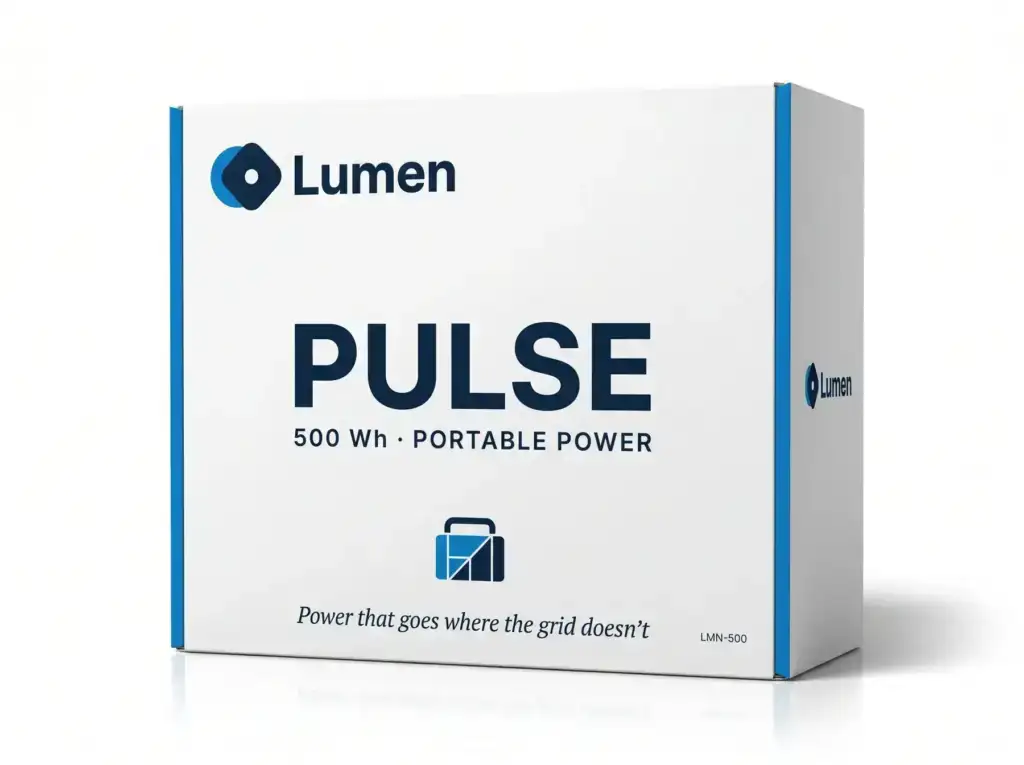
Product packaging design
Packaging design lives at the moment of purchase decision. Most product brands underinvest in it. We don’t, because the data is clear about how much purchase intent is won or lost in the two seconds a buyer spends looking at a shelf or a product listing.
Our packaging work covers structural design (the physical form of the package), label design (the visual treatment that lives on it), retail shelf strategy (how the package competes against everything else in the aisle), and the on-package brand expression that gets the brand argument across in two seconds. The whole package gets designed to do that work because the buyer is not reading. The buyer is glancing.
We work with food and beverage brands, consumer products, ecommerce-first brands, and regulated categories that have to balance brand expression with mandatory labeling requirements. The design accounts for the retail context, shipping requirements, and how packaging photographs for mobile listings on Amazon, Shopify, and other marketplaces. We coordinate with your production partners and printer on materials, finishes, and the cost trade-offs that determine whether the design can actually be produced at your unit economics.
Trusted by



Where brand strategy meets design
Brand identity work doesn’t start with design. It starts with the brand argument: what you’re promising, who the buyer is, and what they need to believe to act. If that strategic work hasn’t been done, design is guessing what to express.
Our brand strategy practice runs the upstream work. We define positioning, value proposition, brand personality, and voice. The output of the strategy is the brief that design works from. Without it, even talented designers end up making choices based on personal taste or category convention rather than what your specific brand needs to argue.
If you’re already clear on the strategy and have the brief in hand, this page is the right place to start. If you’re not sure whether your strategy is solid enough to support new identity work, the brand strategy engagement is the upstream work that makes the design work legible and effective. Most of our clients run both services together, with strategy and identity moving through one continuous engagement rather than two separate handoffs.
Brand identity system
$5,500
8 to 12 weeks
A fresh identity built from your strategy. For clients who need the system but not the launch execution.
- Strategy alignment
- Logo design
- Core visual identity system
- Working brand guidelines
- Full file kit
Identity system + funnel application
$9,000
10 to 14 weeks
The system AND the immediate launch work. Most clients choose this because both are needed at the same time.
- Everything in the brand identity system
- Website graphics
- Primary sales materials
- Social templates
- Packaging concepts (if applicable)
- Launch-day execution
Design retainer
$2,500 /mo
Month to month
Our full design team working your account every month. Same team as a project engagement, just continuous.
- 6 to 10 finished pieces from the full team
- Designer, creative director, copywriter, researcher
- Same team every month
- 30-day pause or cancel
- Scales with volume
Design retainer vs. design subscription
The subscription problem:
The unlimited graphic design subscription space typically runs on offshore junior designers, using template libraries, and a rotating queue of whoever picks up the next ticket. A different designer touches your work every time you submit. Nobody learns your brand because nobody stays on your account. The work ships fast. It also looks generic, drifts from the identity system, and ends up undoing the brand work the original engagement built.
The retainer solution:
The design retainer is the alternative. Same team every month. Designer, creative director, copywriter, researcher. The same four people you meet on day one are still your team in month twelve. They know your identity system, your brand argument, and the buyer the design has to land with. The designer builds the asset, the creative director keeps it on-brand, the copywriter handles the language, and the researcher runs market or competitive research when a piece needs it. Every piece is checked against your standards, your voice, and the goal it supports. The work feels like your brand because the people making it have been inside your brand from day one. Pricing scales with monthly volume: the $2,500 floor covers roughly 6-10 finished pieces per month, depending on complexity. Larger monthly volumes are scoped and quoted accordingly.
We don’t take work below those floors because the budget can’t support the team time it takes to build an identity that holds up and execution that stays on-brand. Cheap identity work produces thin logos and generic visual systems that get replaced within two years. Cheap design retainers produce the same outcome on a monthly cycle: brand drift, one campaign at a time.
Recent identity work
Two projects, up close
Flip through to see the identity, packaging, and photography for each. Different categories, same approach.
Brand book · Spec project
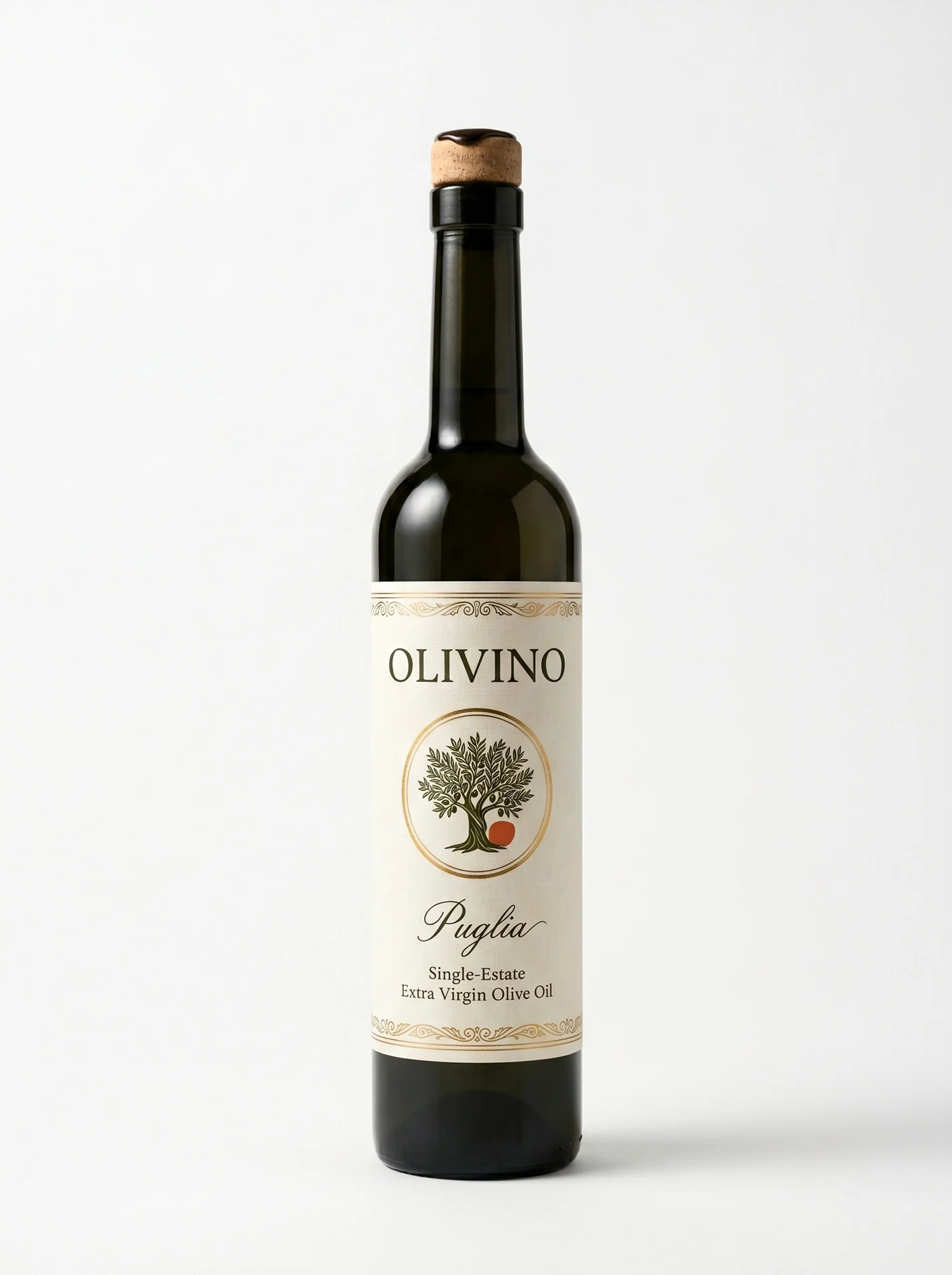
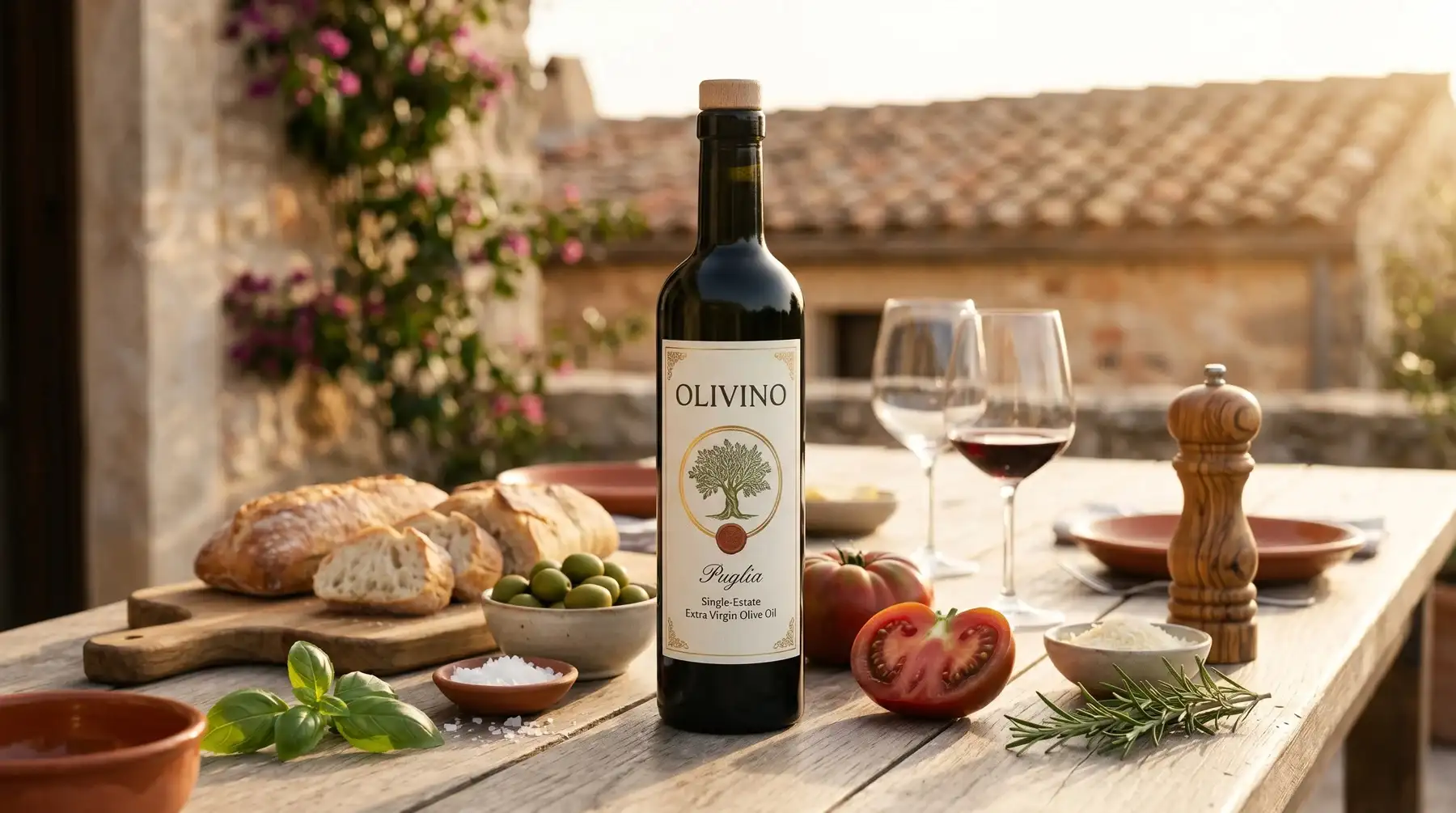
Olivino: Single-estate Puglian olive oil
Pressed within hours of harvest.
Brand book · 2024
The mark
Eight lockups across primary, secondary, and reversed applications
Olivino
Olivino
Olivino
Puglia
Olivino
Olivino
Olivino
Editorial application
The brand on the newsstand.
The Olivino identity flexes from a two-inch product tag to a full magazine cover without losing the brand voice.

Brand book · Spec project
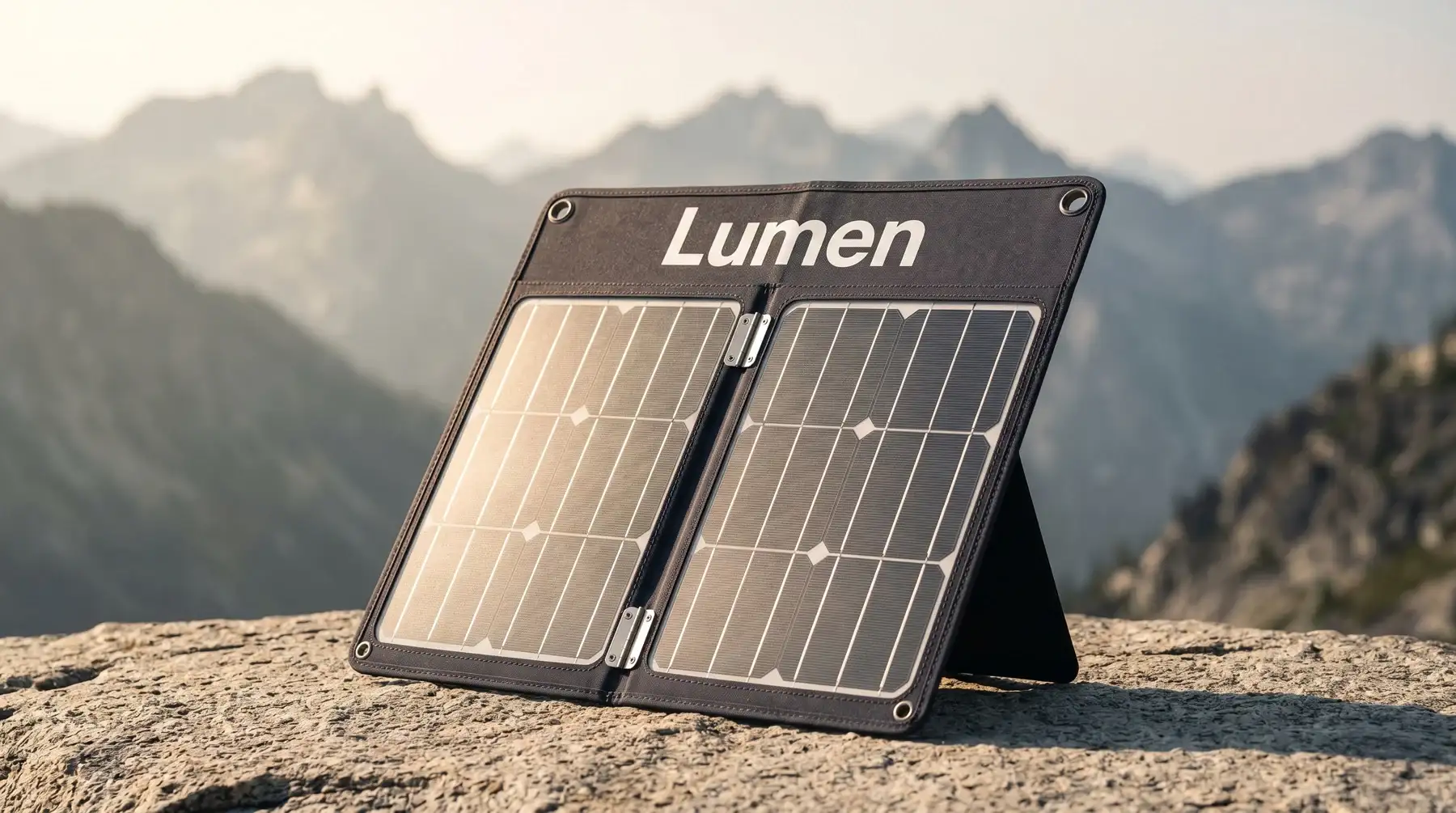
Lumen: Portable off-grid solar storage
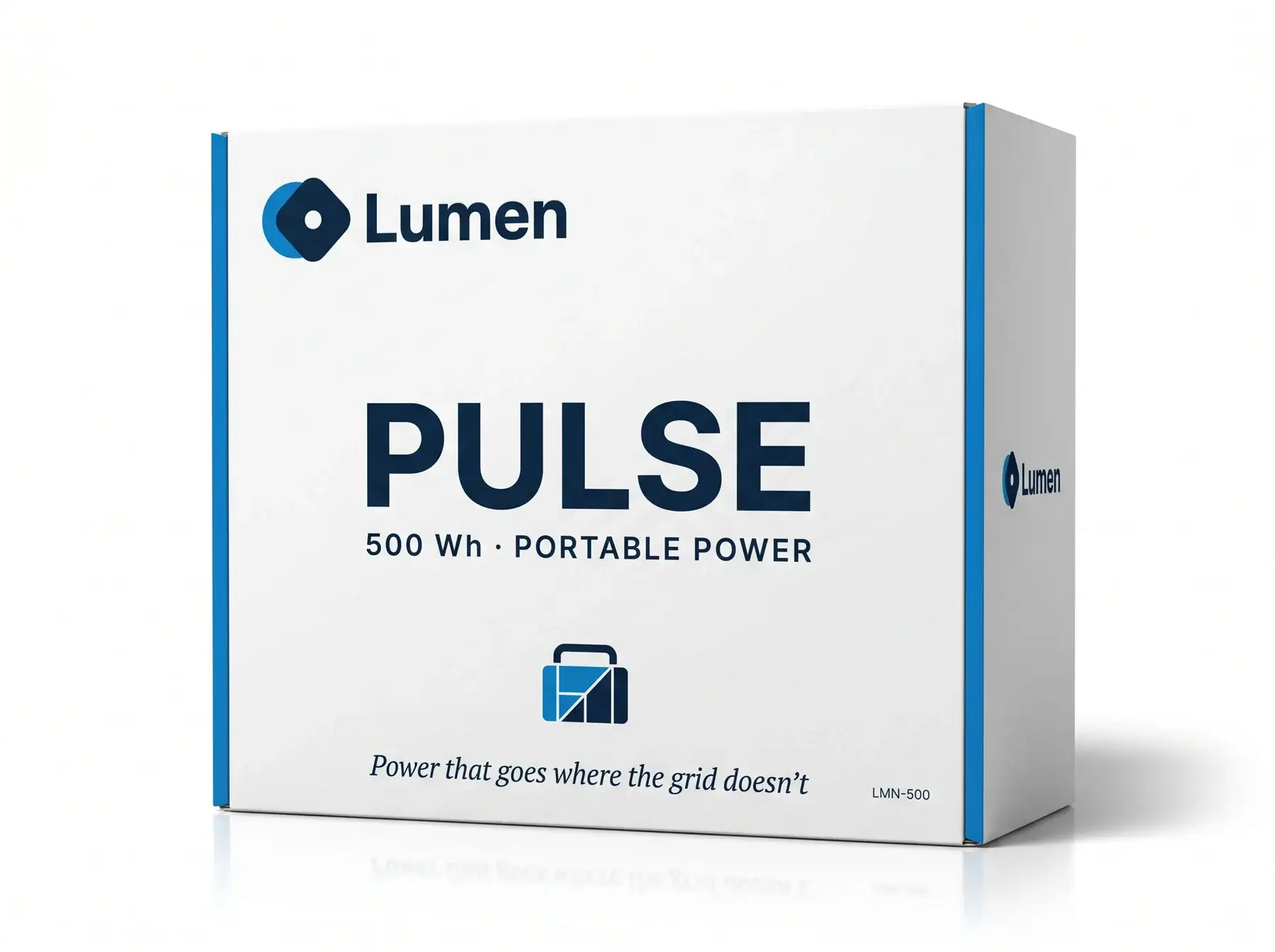

Social application
The brand in the feed.
Same mark, same wordmark, same promise. Built to stop a thumb mid-scroll without losing what makes Lumen, Lumen.
Common branding & design questions
Answers from a brand agency that does brand identity work differently. If yours isn’t here, the fastest way to get one is to book a free fit call.
Cost and timeline
How much does brand identity work cost?
How long does brand identity work take?
What’s the difference between identity-only and identity-plus-applications engagements?
Is there an ROI on brand identity work?
What if my budget is below your floor?
Process and methodology
What’s your brand identity design process?
How many revisions do I get?
How involved do I need to be?
What happens after delivery?
Brand identity fundamentals
What’s the difference between a logo and a brand identity?
What’s the difference between branding and brand identity?
What’s the difference between brand identity and visual identity?
When should I refresh my brand identity?
What if I already have a logo?
Can you work with our existing brand?
Do I need a brand strategy before identity work?
What industries do you work with?
Logo and visual identity
How do you design a logo?
Why is logo design so expensive?
Who owns the logo and files?
Will my logo look like other logos you’ve made?
What file formats do I get?
Brand guidelines and systems
What’s included in brand guidelines?
How do brand guidelines actually get used?
Can our in-house team take over after launch?
How do we keep the brand consistent over time?
Brand design retainer
What’s included in the brand design retainer?
How is the brand design retainer different from a graphic design subscription?
Can I pause or cancel the retainer?
How much design work can $2,500 a month actually produce?
406-998-7901
team@letscanoe.com
119 N 29th St
Billings, MT 59101
as seen in

Let’s Canoe is a brand-led marketing agency in Billings, Montana. We start with brand strategy and build the marketing around it. The Let’s Canoe Framework™ guides every engagement we run.
