Web design and development

High-converting websites, designed and built to perform

We design and code fast, high-functioning websites for B2B, B2C, and ecommerce, built to rank, load quickly, and turn visitors into customers. It’s the place your whole funnel lands, so we build it to convert.

Custom design and clean code on the platform that fits, whether that’s WordPress, Shopify, or Webflow.

We build the website your whole funnel depends on.

35+

Years of brand and marketing work

100%

Senior-led, no juniors on your build

1

Team, from strategy to launch

Forbes

Featured in Forbes

Platforms we build and work on

WordPress Shopify Squarespace BigCommerce Adobe Commerce (Magento) Webflow Wix

Selected websites

Sites we’ve designed, built, and optimized

Recent sites we’ve designed, built, or optimized to convert, some from scratch and some we improve and manage, across hospitality, dining, the arts, and local business.

Northern Hotel website designed and built by Let's Canoe

Northern Hotel

Hospitality
MINT film festival website designed and built by Let's Canoe

MINT

Film festival
TEN at the Northern restaurant website by Let's Canoe

TEN at the Northern

Dining
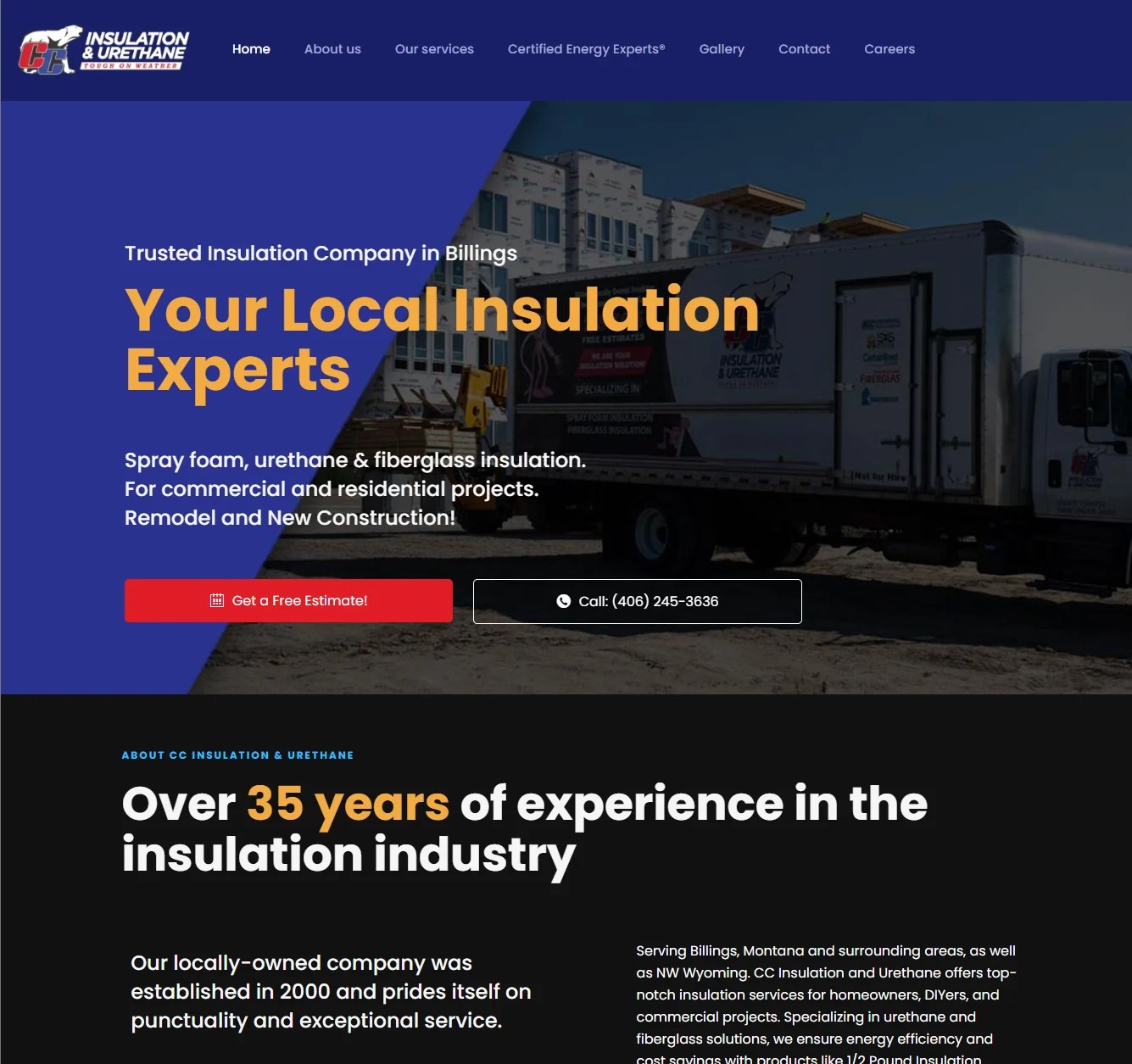
CC Insulation website by Let's Canoe

CC Insulation

Home services
Bin Wrangler website by Let's Canoe

Bin Wrangler

Local services
Jane Moses website by Let's Canoe

Jane Moses

Personal brand
Luminis Cultura website by Let's Canoe

Luminis Cultura

Arts and culture
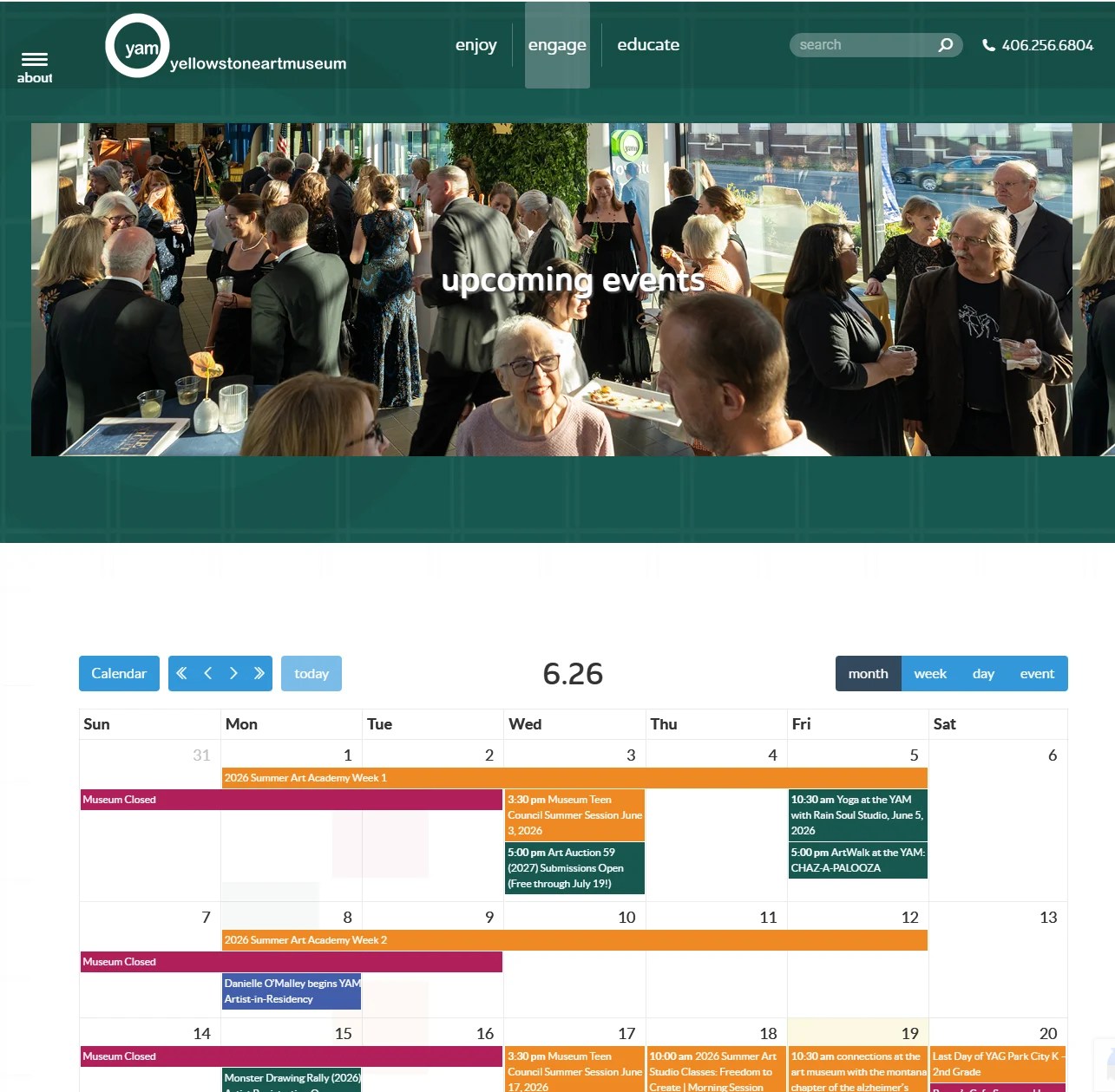
Yellowstone Art Museum website by Let's Canoe

Yellowstone Art Museum

Arts and culture

Where it fits the funnel

Your website is the conversion engine

Every other channel points here. Search and paid media drive traffic to the site, your brand decides how it looks and sounds, and conversion work keeps tuning it. A site that doesn’t convert turns all of that spend into a leak.

Where traffic lands

The destination, not a brochure

Your SEO and paid media send people here, so the site has to do the converting rather than just exist.

Brand made real

Where the brand shows up

The site is where your brand strategy becomes something people see, read, and trust, which is what separates a custom build from a template.

Built to improve

An asset, not a one-off

We build the site so our conversion team can keep testing and improving it, so it gets better over time instead of going stale.

What we build

High-functioning by design

Performance and conversion are decided at the design stage, not bolted on at the end. Here’s what goes into every build.

Custom design

A site designed around your brand and your buyers, not a stock template every competitor also uses.

Conversion-focused structure

Clear messaging, logical paths, and calls to action placed where people actually decide.

Speed and Core Web Vitals

Built to load fast and pass Google’s performance checks, because a slow site loses visitors before they read a word.

Mobile-first and accessible

Designed for phones first and built to be usable for everyone, which also helps your search visibility.

SEO-ready build

Clean, semantic code and schema so the pages can rank, not bloated page-builder output that holds them back.

Analytics and integrations

Conversion tracking, plus connections to your CRM, email and SMS platform, and checkout, so the site reports on revenue.

B2B, B2C, and ecommerce

Same engine, different goal

We build for the conversion your business actually runs on, which looks different depending on how you sell.

B2B and lead generation

The job is qualified leads, not raw volume. We build clear paths to a demo or a conversation, right-sized forms that don’t scare people off, and proof that earns trust over a longer sales cycle.

B2C and ecommerce

The job is to take a visitor from click to checkout in one visit. We build product clarity, fast pages, a checkout that works, and trust signals at the moment of purchase.

How it connects

The site is where the funnel pays off

A website only earns its keep when the rest of the funnel feeds it and it converts what arrives. We build it on your brand strategy, make it findable through SEO and paid media, and keep it improving with conversion work. It’s one stage of our full-funnel marketing.

You can see the kind of sites we build in our work, including the Northern Hotel site built for direct bookings.

Common questions

Web design and development, answered

Questions about cost, timeline, platforms, ownership, and performance. For the wider picture, see our marketing services, or book a free fit call.

Cost and timeline

How much does a custom website cost?
A custom marketing site from an agency typically runs from around $10,000 for a focused build into the tens of thousands for a larger B2B or ecommerce site, depending on page count, features, and integrations. Template work costs less but converts less. We quote to scope after a call rather than a fixed menu, so the number reflects what your site actually needs.
What’s the price difference between a template and a custom build?
A template is cheaper up front because the design is pre-made, but it looks like everyone else’s and is harder to bend to your funnel. A custom build costs more and is designed around your brand and how you convert. For a business where the site drives real revenue, custom usually pays for itself.
Do you offer phased or payment-plan pricing?
Yes. Larger projects are usually split into milestones, so you pay as each phase is delivered rather than all at once. We can also launch a strong first version and add features in later phases when that fits the budget better.
What makes a website cost more or less?
The main drivers are the number of pages and templates, custom design versus a theme, ecommerce or complex functionality, integrations with other tools, and whether content and photography are included. We walk through these on a call so the estimate matches the build.
How long does it take to design and build a website?
A typical marketing site takes about six to twelve weeks from kickoff to launch. Smaller sites move faster, and larger ecommerce or multi-template builds take longer. The biggest variable is usually how quickly content and approvals come back, so we plan for that up front.
What’s the timeline for an ecommerce site versus a B2B site?
A B2B lead-generation site is often quicker, since the conversion path is a form or a demo request. Ecommerce takes longer because of product setup, checkout, payments, and integrations. We give you a realistic schedule for your specific build at the start.
What slows a web project down?
Usually content. Copy, images, and approvals that arrive late are the most common cause of delay. We reduce that by setting a clear content plan, writing copy where you want us to, and keeping reviews to set milestones.

Process and platforms

What does your web design and development process look like?
It moves through clear stages, starting with discovery and goals, then information architecture and wireframes, design, build, content and testing, and finally launch and a handoff. You review and approve at each stage, so there are no surprises at the end. The structure keeps the site aimed at conversion from the first decision.
How involved do I need to be?
Most in the early stages, when we need your input on goals, audience, and content, and then at the review milestones. Once direction is set, we carry the build and bring it back for approvals rather than asking for constant attention.
Do you write the content and copy, or do we?
Either way. We can write the copy in your brand voice, work from drafts you provide, or split it. Strong copy matters as much as design for conversion, so we’d rather be involved than bolt words on at the end.
Which platform should I use, WordPress, Shopify, or Webflow?
It depends on the job. WordPress suits content-heavy and B2B sites that need flexibility. Shopify is the cleanest path for ecommerce. Webflow is a strong fit for design-led marketing sites. We recommend based on how you sell and who will maintain it, not a single default.
Do you build custom-coded sites or use a CMS?
Both, depending on need. Most clients want a content management system so their team can make edits, so we build custom designs on a CMS like WordPress, Shopify, or Webflow. When a project calls for fully custom code, we do that too.
When is Shopify the right choice?
Shopify is usually right when selling products online is the core of the business. It handles checkout, payments, inventory, and shipping out of the box, and it connects cleanly to email and SMS tools. For a content or lead-gen site, a different platform often fits better.
Can you migrate my existing site to a new platform?
Yes. We move your content, set up redirects so you keep your search equity, and rebuild the design on the new platform. Done carefully, a migration improves performance without costing you the rankings you already have.

SEO and performance

Will my new site be built for SEO?
Yes. We build on clean, semantic code with proper headings, schema, fast load times, and a crawlable structure, which is the technical foundation search engines need. If ongoing rankings are a goal, our SEO services build on that base.
How do you make the site fast and pass Core Web Vitals?
Speed is planned from the design stage, with optimized images, lean code, sensible hosting, and limited heavy scripts. We build toward Google’s Core Web Vitals targets and test against them, because a slow site loses visitors and rankings.
Is the site mobile-first and accessible?
Yes. We design for phones first, since that’s where most traffic is, and build to accessibility standards so the site works for everyone. Both also help your search visibility and reduce legal risk.
Will I lose my Google rankings during a redesign?
Not if it’s handled properly. The risk comes from changing URLs without redirects or stripping content that ranked. We map the old site to the new one, set redirects, and preserve the pages that earn traffic, so rankings carry over.

Ownership and maintenance

Do I own my website and code after it’s built?
Yes. You own the site, the code, the design, and the domain. We build in your accounts and hand everything over, so you’re never locked in or dependent on us to make a change.
Can I edit the site myself after launch?
Yes. We build on a content management system and hand off a site your team can update, plus a short walkthrough so editing pages, images, and posts is straightforward. For bigger changes we’re here when you want us.
Do you offer ongoing maintenance and support?
Yes. We offer care plans for updates, backups, security, and small changes, so the site stays fast and current. It’s optional, and many clients pair it with ongoing marketing so the site keeps improving rather than drifting.

Conversion and results

What makes a website high-converting?
A high-converting site loads fast, makes the value clear in seconds, guides visitors down an obvious path, and removes friction at the point of action. It’s built on a clear message and real proof, then refined with testing. Looks alone don’t convert.
How do you measure whether the site is performing?
Against the goals that matter to your business, like leads, demo requests, sales, and revenue, rather than traffic alone. We set up tracking at launch so you can see where visitors convert and where they drop, which is also where conversion work goes next.
Do you set up analytics and conversion tracking?
Yes. Every build includes analytics and conversion tracking so the site reports on what it produces. Without it you’re guessing, and you can’t improve what you can’t see.

Redesign, audience, and working with us

How do I know if I need a redesign or a new site?
If the structure and platform are sound and the site just looks dated or converts poorly, a redesign is usually enough. If it’s slow, hard to edit, or built on the wrong platform, a new build is the better investment. The free tools above, or a quick call, will tell you which.
Can you redesign without rebuilding everything?
Often, yes. If the foundation is solid we can refresh the design, messaging, and key templates without starting over, which is faster and cheaper. We’ll be honest when a rebuild is the smarter spend.
How is a B2B site different from an ecommerce site?
A B2B site is built to generate qualified leads over a longer sales cycle, so it focuses on clarity, trust, and a clean path to a conversation. An ecommerce site is built to move a shopper from click to checkout in one visit. Same engine, different conversion goal.
Can you integrate the site with my CRM and other tools?
Yes. We connect the site to your CRM, email and SMS platform, payment and booking tools, and analytics, so leads and sales flow into the systems you already use instead of sitting on the site.
Why hire an agency instead of a freelancer or DIY builder?
A DIY builder is fine for a simple starter site, and a freelancer can handle a small project. An agency brings design, development, copy, and strategy together and stays accountable for the result. For a site that has to carry real revenue, that coordination is the difference.
How does the website connect to your other marketing services?
The site is the hub the rest of the funnel feeds and improves. It carries your brand, captures traffic from SEO and paid media, and gets sharper through conversion work. It’s one stage of our full-funnel marketing.

Ready for a site that converts?

Book a free fit call and we’ll look at your current site and what a high-converting build would change.

A brand agency in Billings, Montana. We set the brand strategy, then build the marketing on top of it, with one senior team from strategy through production.

406-998-7901
team@letscanoe.com
119 N 29th St, Billings, MT 59101

As seen in

Forbes

© 2026 CANOE, LLC dba Let’s Canoe. All rights reserved.